Understanding Aperture: The Creative Heart of Photography
Aperture is one of the most powerful tools a photographer has. Whether you’re shooting sweeping Scottish landscapes, intimate details in nature, or atmospheric low‑light scenes, aperture shapes the look and feel of every image. It controls not just exposure, but depth, mood, and the way your viewer connects with the subject.
In this guide, we’ll break down what aperture is, how it works, and how you can use it creatively in your own photography.
What Is Aperture?
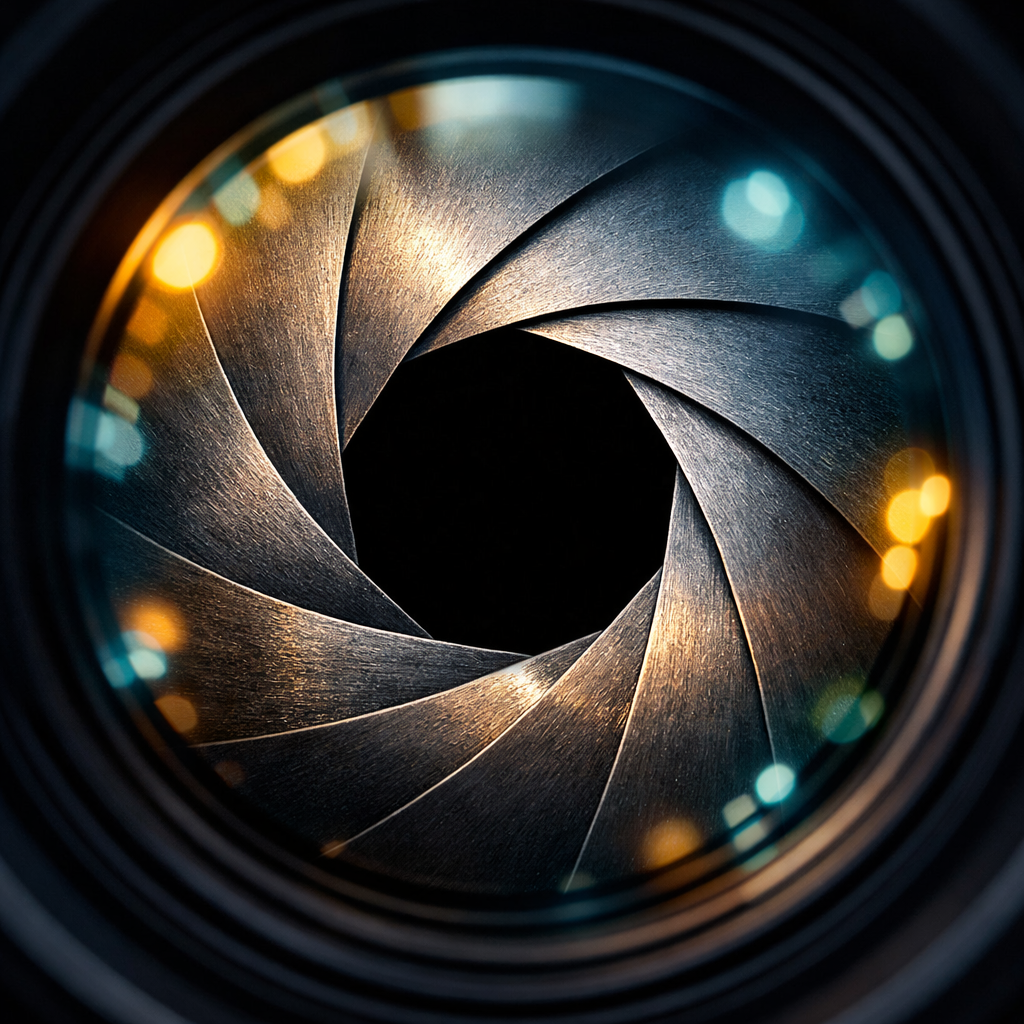
Aperture refers to the opening inside your lens that allows light to pass through to the camera’s sensor. It’s measured in f‑stops, such as:
f/1.8
f/4
f/8
f/16
A lower number means a larger opening, and a higher number means a smaller opening.
Think of aperture like the pupil of an eye:
In bright light, your pupil gets smaller.
In low light, it widens to let more light in.
Your lens behaves the same way.
How Aperture Affects Your Photos
1. Exposure — How Bright the Image Is
A wide aperture (e.g., f/2.8) lets in more light, making your image brighter. A narrow aperture (e.g., f/16) lets in less light, making your image darker.
This is crucial when shooting at sunrise or sunset — moments you capture often — where light changes quickly and dramatically.
2. Depth of Field — What’s Sharp vs. What’s Soft
Depth of field is how much of your image appears in focus.
Wide aperture (f/1.8 – f/4): Creates a shallow depth of field. Perfect for portraits, wildlife, or isolating a subject against a soft, dreamy background.
Narrow aperture (f/8 – f/16): Creates a deep depth of field. Ideal for landscapes where you want foreground rocks, mid‑ground trees, and distant mountains all sharp.
For your Scottish landscapes, apertures between f/8 and f/11 are the sweet spot — sharp, detailed, and beautifully balanced.
3. Sharpness and Lens Performance
Every lens has an aperture where it performs at its best. This is usually two stops down from its widest setting.
For example:
A lens with a maximum aperture of f/2.8 is often sharpest around f/5.6 – f/8.
This is why landscape photographers rarely shoot wide open — stopping down improves clarity, contrast, and edge‑to‑edge sharpness.
4. Creative Mood and Atmosphere
Aperture isn’t just technical — it’s emotional.
Wide apertures create intimacy, softness, and focus.
Narrow apertures create clarity, structure, and a sense of vastness.
When you photograph the Highlands or coastal scenes, aperture becomes a storytelling tool. Do you want the viewer to feel the expanse of the landscape? Or the quiet detail of a single moment?
Choosing the Right Aperture for Different Situations
Landscape Photography
f/8 – f/11 Maximum sharpness, deep focus, balanced exposure.
Portraits
f/1.8 – f/4 Soft background, subject isolation.
Low Light / Night Sky
f/2.8 – f/4 Lets in more light, reduces noise.
Macro
f/8 – f/16 Keeps tiny details sharp.
Creative Blur
f/1.4 – f/2.8 Dreamy, artistic, atmospheric.
Aperture in Real‑World Landscape Shooting
When you’re out in the Scottish hills, aperture becomes part of a bigger triangle:
Aperture
Shutter speed
ISO
For example, shooting a sunrise over Glencoe:
Aperture: f/11 for depth
Shutter: 1/4 sec for balanced exposure
ISO: 100 for clean detail
Tripod: essential
This combination gives you crisp detail from foreground grasses to distant peaks, with rich colour and minimal noise.
Final Thoughts
Aperture is more than a technical setting — it’s a creative decision that shapes the soul of your photograph. Once you understand how it affects light, depth, and mood, you can use it intentionally to craft images that feel alive.
Whether you’re capturing the drama of a storm rolling over the Highlands or the quiet glow of a winter sunrise, aperture is the tool that helps you translate what you see into what you feel.